
Optimal Timing for Fire Restorations
Determining the optimal time for fire restorations involves considering seasonal weather patterns, property occupancy, and fire risk levels. Typically, late spring and early fall are ideal periods, as weather conditions tend to be more stable and conducive to restoration work. Performing restorations during these times can help ensure thorough cleanup and repairs before extreme weather events or winter conditions set in.
Spring and fall offer moderate temperatures and less precipitation, making restoration projects more manageable and efficient.
Fire risk is higher during dry summer months, so scheduling restorations after peak fire seasons can reduce the chance of additional damage.
Restorations are often easier to coordinate when properties are unoccupied, which is more common in off-peak seasons.
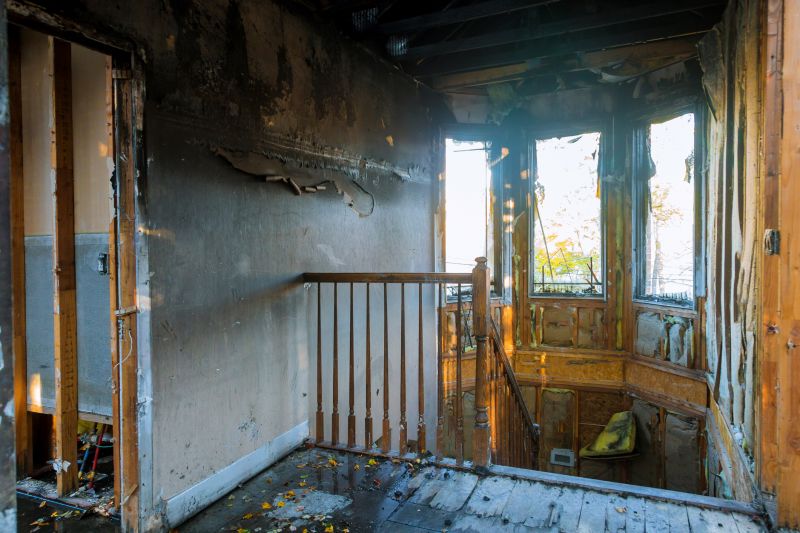
Initial evaluation of fire damage to determine scope of restoration.
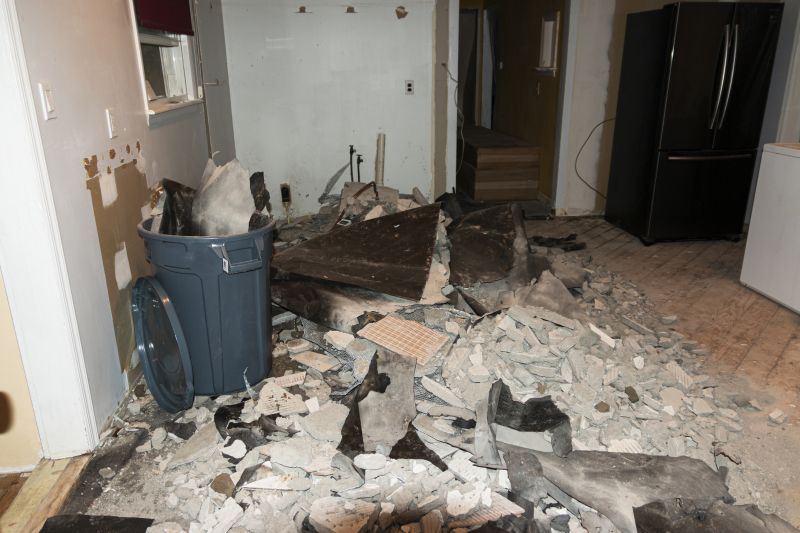
Removing soot, smoke residues, and debris after fire incidents.
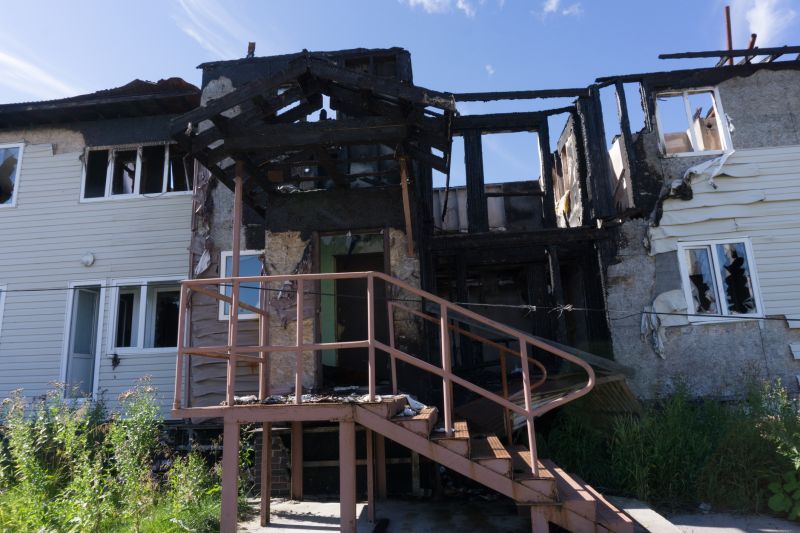
Restoring damaged structural components of the property.
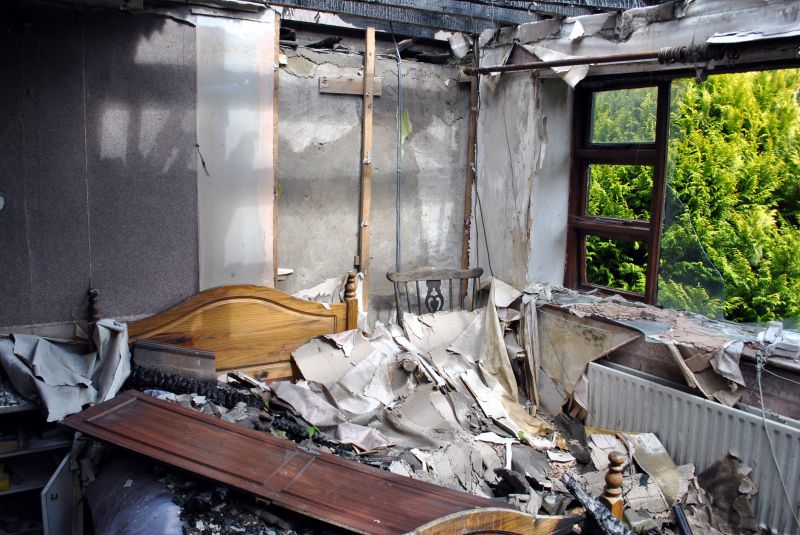
Complete repairs and cleaning to return property to pre-fire condition.
| Aspect | Details |
|---|---|
| Optimal Seasons | Spring and fall are preferred for moderate weather conditions. |
| Weather Impact | Rain and snow can delay restoration work and compromise results. |
| Fire Season | Post-peak fire season months are ideal for scheduling. |
| Occupancy Status | Unoccupied properties are easier to restore during off-peak times. |
| Property Type | Residential and commercial properties may have different optimal timings. |
| Local Climate | Idaho's climate influences scheduling considerations. |
| Emergency Response | Immediate restoration may be necessary regardless of season. |
Fire restorations involve a comprehensive process that addresses damage caused by flames, heat, and smoke. The process begins with damage assessment, followed by soot and debris removal, structural repairs, and final cleaning. Proper timing ensures that restoration efforts are effective and minimize further damage, especially in regions prone to seasonal weather variations.
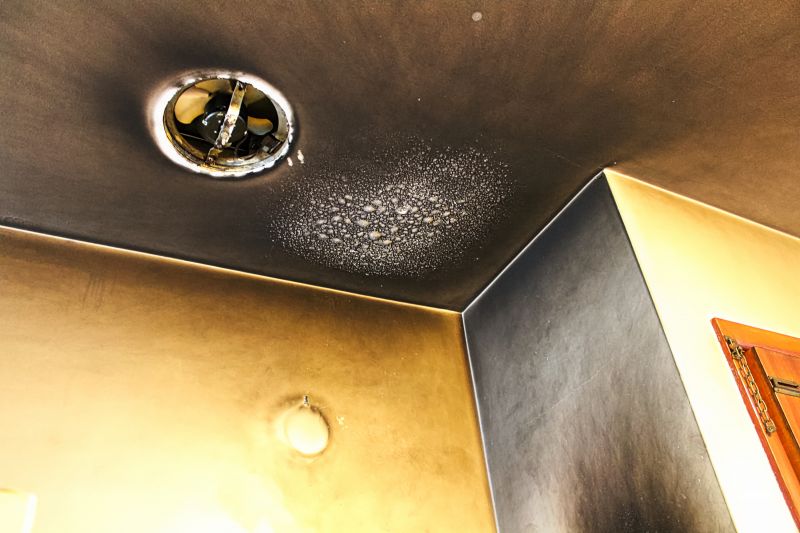
Removing smoke residues from surfaces and furnishings.
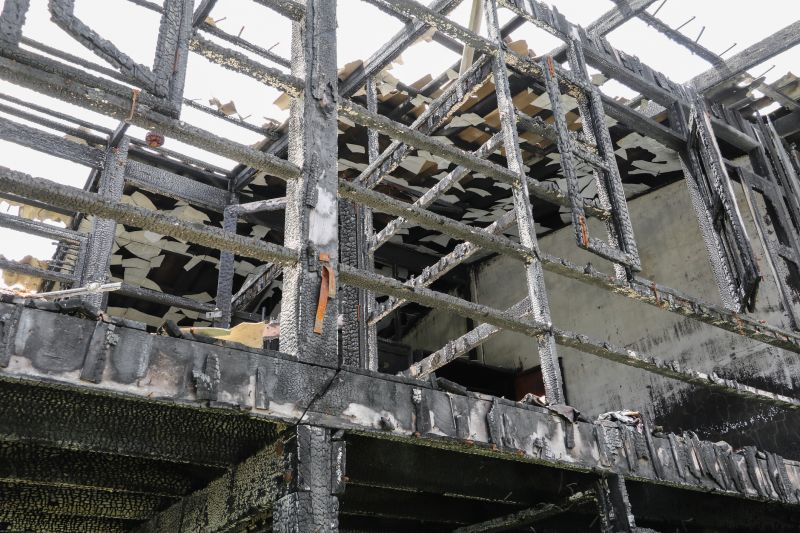
Rebuilding and repairing damaged frameworks.
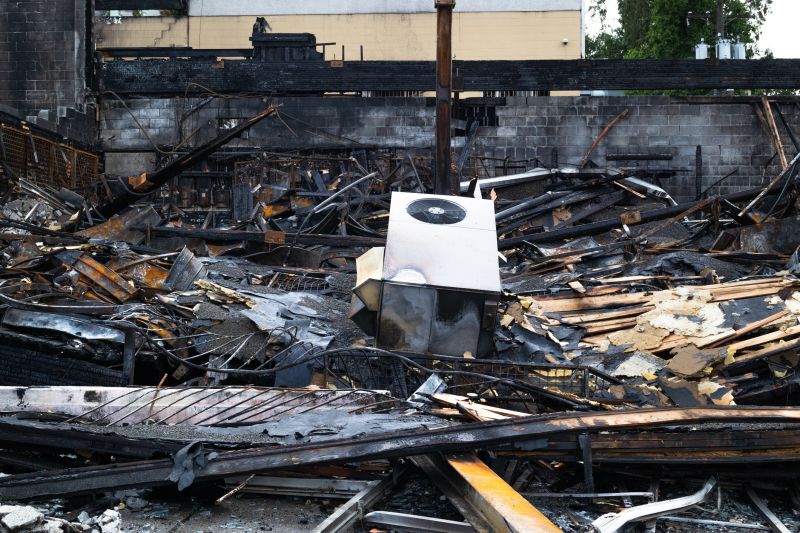
Restoring personal belongings affected by fire and smoke.
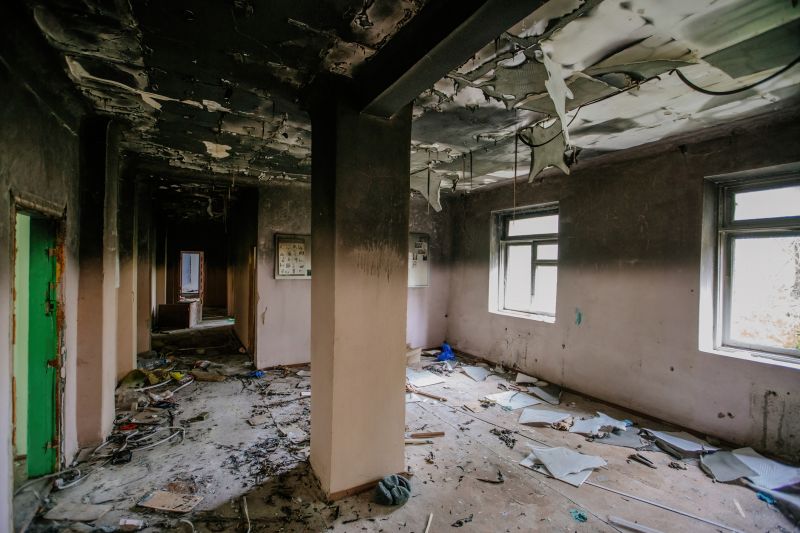
Ensuring all repairs meet safety and quality standards.
Interested property owners or managers are encouraged to contact for further information about scheduling fire restoration services. Proper timing and planning can help restore properties efficiently and effectively, reducing downtime and minimizing ongoing risks.